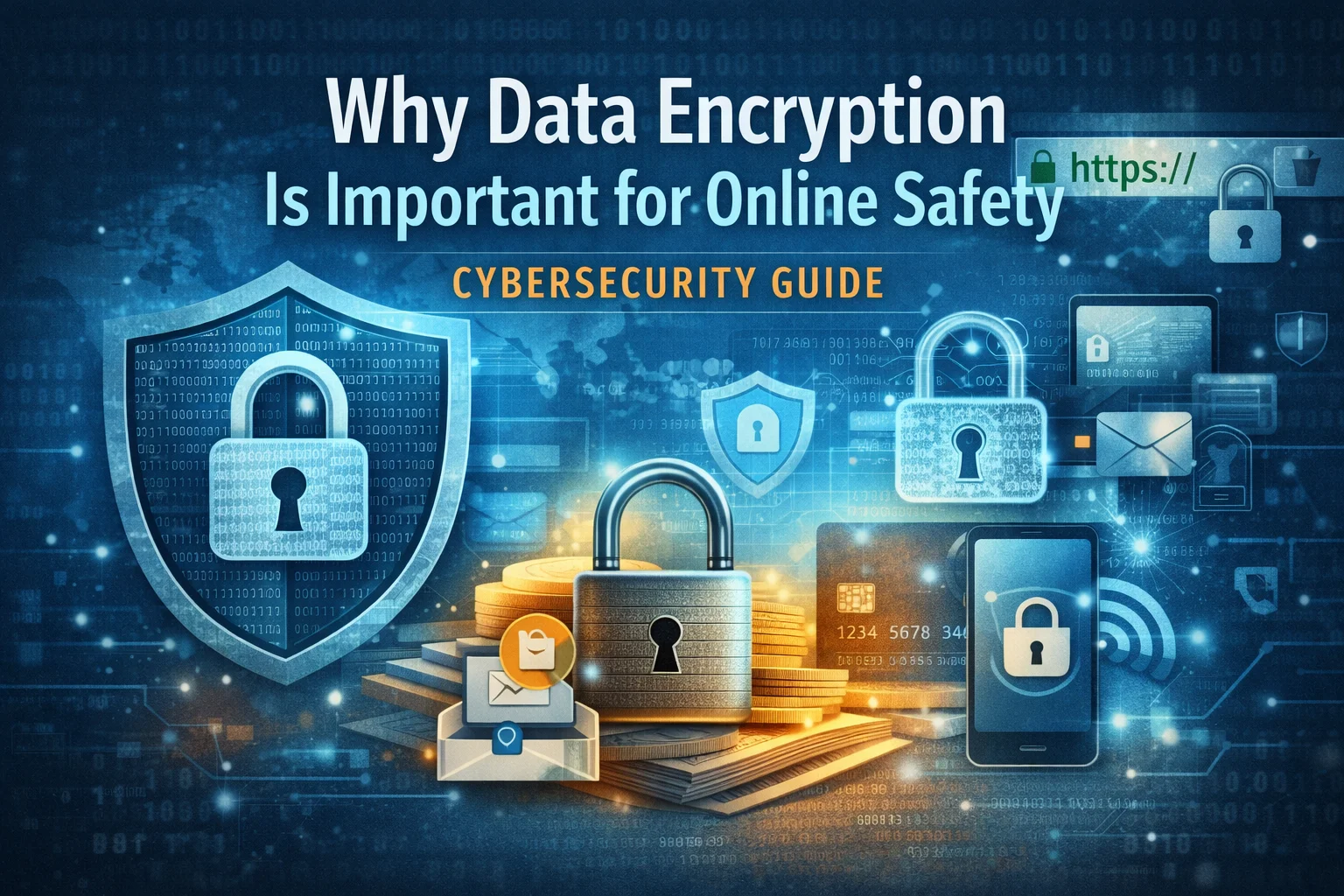

In a world where digital communication dominates everyday life, protecting sensitive information has become a major priority. From online banking and e-commerce transactions to emails and cloud storage, vast amounts of personal and business data are constantly being transmitted across the internet. Without proper protection, this information can be intercepted, stolen, or misused. This is where data encryption plays a crucial role.
Data encryption is one of the most effective methods of safeguarding digital information. It transforms readable data into coded information that can only be accessed with the correct decryption key. In simple terms, encryption ensures that even if data is intercepted, it cannot be understood or used by unauthorised individuals.
What Is Data Encryption?
Data encryption is a security process that converts plain text into unreadable code, known as ciphertext. Only authorised users with the appropriate key can decrypt and access the original information.
Encryption is used in:
- Online banking systems
- E-commerce platforms
- Email services
- Messaging applications
- Cloud storage
- Government and corporate databases
Without encryption, digital communication would be highly vulnerable to cyber threats.
Protecting Sensitive Personal Information
Every time users enter personal details online — such as passwords, payment card information, or identification numbers — that data travels through networks. If encryption is not applied, attackers can intercept this information using various techniques.
Encryption protects:
- Login credentials
- Financial details
- Personal identification data
- Private communications
By scrambling data during transmission, encryption ensures that intercepted information remains useless to cybercriminals.
Preventing Data Breaches
Data breaches often occur when hackers gain access to unprotected or poorly secured databases. If stored data is encrypted, even unauthorised access does not immediately expose sensitive information.
Encrypted databases:
- Reduce the impact of breaches
- Protect customer trust
- Limit financial damage
- Support regulatory compliance
Many privacy regulations now require encryption as part of responsible data handling practices.
Securing Online Transactions
E-commerce and digital payments rely heavily on encryption. When users make purchases online, encryption protects transaction details from being intercepted.
Secure Socket Layer (SSL) and Transport Layer Security (TLS) protocols are common encryption technologies that:
- Secure website connections (HTTPS)
- Protect payment processing
- Ensure safe data exchange
Without encryption, online shopping and digital banking would pose significant risks.
Enhancing Business Security
For businesses, encryption is essential for protecting internal data and client information. Companies store confidential documents, contracts, and financial records digitally. Encryption helps prevent internal misuse and external attacks.
Business benefits of encryption include:
- Improved data protection
- Stronger compliance with privacy laws
- Reduced risk of financial penalties
- Increased customer confidence
Encryption is no longer optional for organisations operating in the digital economy.
Encryption and Remote Work
With remote and hybrid work models becoming common, employees access company systems from various locations and networks. Encryption ensures that sensitive corporate data remains secure, even when accessed outside traditional office environments.
Virtual private networks (VPNs) and encrypted communication tools help secure remote connections and reduce cyber risks.
Building Trust in the Digital World
Trust is a key factor in digital interactions. Users expect websites, apps, and services to protect their information. Visible security indicators, such as HTTPS and security certificates, reassure users that their data is protected.
Encryption contributes to:
- User confidence
- Brand reputation
- Long-term customer loyalty
When individuals feel secure, they are more likely to engage with digital platforms.
Conclusion
Data encryption is a fundamental component of online safety. It protects personal information, secures transactions, prevents data breaches, and strengthens business security. As cyber threats continue to evolve, encryption remains one of the most reliable defences against digital risks. In today’s interconnected world, safeguarding data through encryption is not just a technical measure — it is a necessity for maintaining trust and security online.
✨ For more expert insights on cybersecurity, digital protection strategies, and modern technology trends, explore the resources available at Almuhtadi Ventures.
FAQs:
1. What does data encryption do?
Data encryption converts readable information into coded data that can only be accessed with the correct decryption key.
2. Is encryption necessary for small businesses?
Yes. Even small businesses handle sensitive data and are frequent targets of cyber attacks.
3. How does HTTPS relate to encryption?
HTTPS uses encryption protocols to secure data exchanged between a user’s browser and a website.
4. Can encrypted data be hacked?
While no system is completely immune, strong encryption makes it extremely difficult for attackers to access or read data.
5. Does encryption slow down systems?
Modern encryption technologies are designed to operate efficiently with minimal impact on performance.