
Sustainable living is often seen as something complex or expensive, but in reality, it is about making mindful choices in daily life. Understanding sustainable living in everyday life helps individuals reduce their environmental footprint while improving quality of life. It is not about perfection—it’s about progress and consistency.
Sustainable living starts with small actions that, when repeated over time, create meaningful change.
What Is Sustainable Living?
Sustainable living means making decisions that meet today’s needs without harming the ability of future generations to meet theirs. It focuses on balance—between consumption and conservation, comfort and responsibility.
At its core, environmentally conscious living involves being aware of how everyday actions affect the planet and choosing alternatives that cause less harm.
Sustainable Living in Daily Routines
Sustainability is deeply connected to daily habits. Simple sustainable daily habits can significantly reduce waste and conserve resources.
Examples include:
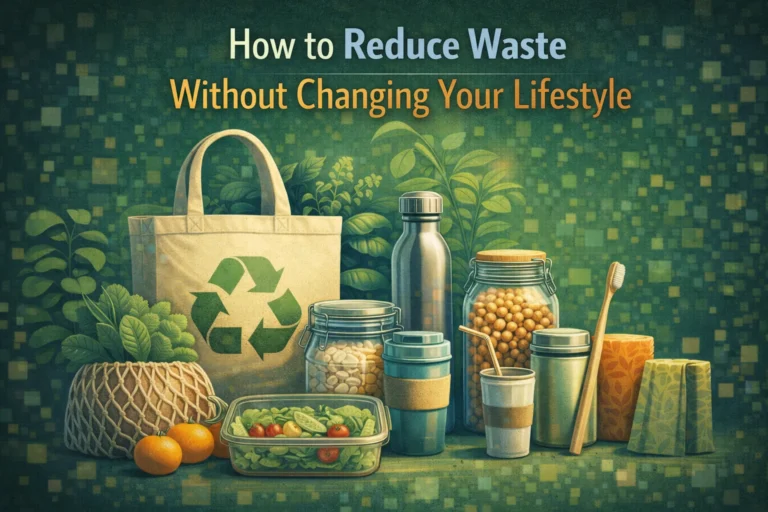
- Using reusable items instead of single-use products
- Conserving water and energy at home
- Choosing durable products over disposable ones
These habits may seem small, but collectively they support long-term environmental health.
Making Eco-Friendly Lifestyle Choices at Home
Home is where most sustainable decisions take place. Eco-friendly lifestyle choices such as energy-efficient appliances, mindful heating use, and reducing food waste contribute directly to sustainability.
Simple home-focused changes include:
- Switching off unused electronics
- Using natural lighting where possible
- Planning meals to avoid waste
These actions help lower household impact without reducing comfort.
Reducing Environmental Impact Through Consumption
One of the most important aspects of sustainability is responsible consumption. This means buying only what is needed, choosing ethically produced items, and supporting products designed to last.
By focusing on reducing environmental impact, individuals can:
- Minimise waste generation
- Lower carbon emissions
- Reduce demand for resource-intensive production
Conscious consumption encourages a healthier relationship with material goods.
Green Living Practices in Everyday Decisions
Green living practices are integrated into everyday decisions—how we travel, what we eat, and how we dispose of waste.
Examples include:
- Walking or using shared transport when possible
- Recycling correctly
- Choosing products with minimal packaging
Sustainability is not about drastic lifestyle changes but about smarter choices.
The Role of Individuals in Sustainability
While governments and organisations play important roles, individual actions matter. Everyday choices influence demand, production patterns, and environmental outcomes.
When individuals adopt environmentally conscious living, they contribute to a collective effort that supports long-term ecological balance.
FAQs:
1. What does sustainable living mean in everyday life?
Sustainable living means making daily choices that reduce environmental impact, conserve resources, and support long-term ecological balance without sacrificing quality of life.
2. Is sustainable living expensive?
No. Sustainable living often saves money by reducing energy use, minimising waste, and encouraging mindful consumption rather than unnecessary spending.
3. How can I practice sustainable living at home?
You can practice sustainable living by conserving energy and water, recycling properly, reducing waste, and choosing reusable or eco-friendly products.
4. Why are small sustainable actions important?
Small actions add up over time. When many individuals make eco-conscious choices, the collective impact significantly benefits the environment.
5. Does sustainable living really make a difference?
Yes. Sustainable living reduces pollution, preserves natural resources, and supports healthier ecosystems, contributing to long-term environmental well-being.
6. Can anyone adopt a sustainable lifestyle?
Absolutely. Sustainable living is flexible and can be adapted to any lifestyle through small, gradual changes rather than drastic adjustments.
Conclusion
Sustainable living is a practical, achievable approach to everyday life. By embracing sustainable living in everyday life, individuals can make meaningful contributions through eco-friendly lifestyle choices, sustainable daily habits, and mindful consumption. Small, consistent actions help protect natural resources, reduce environmental impact, and create a healthier future for everyone.
✨ Want to learn more about sustainable living, eco-conscious choices, and responsible modern lifestyles? Visit Almuhtadi Ventures for more informative articles, practical guides, and expert insights designed to support a more sustainable way of living.