
In today’s digital world, people rely on the internet for banking, shopping, communication, and work. While technology has made everyday tasks easier, it has also increased exposure to online risks. This is why cybersecurity for everyday users has become an essential part of daily life—not just a concern for businesses or technical experts.
Cybersecurity affects how safely individuals browse the internet, protect their personal data, and avoid online scams.
What Is Cybersecurity?
Cybersecurity refers to the methods and practices used to protect devices, networks, and personal data from unauthorized access or digital attacks. For everyday users, it focuses on online security basics such as safeguarding accounts, devices, and sensitive information.
It helps protect:
- Personal details and identity
- Financial and payment information
- Login credentials and passwords
- Smartphones, laptops, and tablets
Strong cybersecurity ensures your digital life remains private and secure.
Why Cybersecurity Matters in Everyday Life
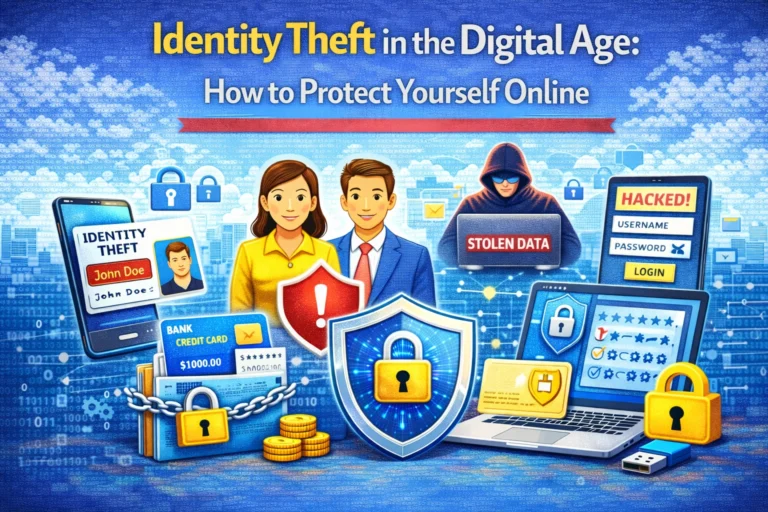
Many people assume cybercrime only affects large organisations, but everyday users are often the easiest targets. Cybercriminals exploit weak security habits, lack of internet security awareness, and poor password management.
Without proper protection, users may face:
- Identity theft and fraud
- Financial losses from scams
- Hacked social media or email accounts
- Exposure of private messages or photos
- Device damage caused by malware
Cybersecurity reduces these risks and gives users control over their online presence.
Common Cyber Threats Everyday Users Face
Understanding common cyber threats is the first step toward staying safe online.
Phishing Attacks
Fake emails or messages designed to trick users into revealing sensitive information.
Password Attacks
Weak or reused passwords allow hackers easy access to accounts.
Malware and Viruses
Malicious software that damages devices or steals data.
Unsafe Public Networks
Unsecured Wi-Fi connections can expose personal information.
Data Leaks
Poor data privacy protection can result in personal data being shared without consent.
How Cybersecurity Protects Personal Information
Cybersecurity tools and habits help maintain personal information safety by:
- Preventing unauthorised access
- Encrypting sensitive data
- Detecting suspicious activity
- Securing online communication
These measures ensure personal details remain protected across digital platforms.
Simple Cybersecurity Practices for Everyday Users
You don’t need advanced technical skills to stay protected. Small actions can significantly improve digital privacy best practices, such as:
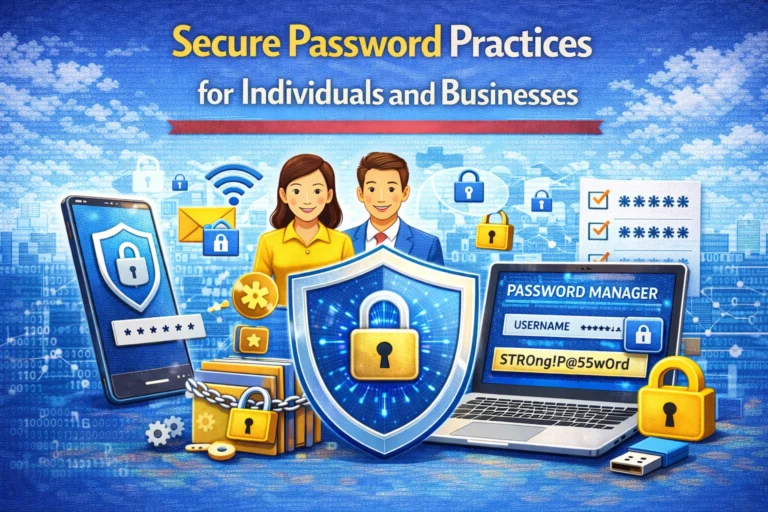
- Using strong, unique passwords
- Enabling two-factor authentication
- Avoiding unknown links and downloads
- Keeping devices updated
- Using trusted security software
Consistency is key when it comes to cybersecurity.
Cybersecurity and Digital Privacy Awareness
Cybersecurity and privacy go hand in hand. Improving internet security awareness helps users understand how their data is collected, stored, and shared online.
Being mindful of app permissions, privacy settings, and shared information strengthens overall digital safety.
Frequently Asked Questions
1. What is cybersecurity in simple terms?
Cybersecurity is the practice of protecting devices, accounts, and personal information from online threats such as hacking, scams, and malware.
2. Why is cybersecurity important for everyday users?
Everyday users are frequent targets of cyberattacks. Cybersecurity helps protect personal data, finances, and online identities from misuse.
3. What are the most common cyber threats people face?
Common threats include phishing emails, weak passwords, malware, unsafe public Wi-Fi, and data breaches.
4. Do non-technical users really need cybersecurity?
Yes. Even basic online activities like email, shopping, and social media require protection to avoid fraud and identity theft.
5. How can everyday users improve their cybersecurity?
Using strong passwords, enabling two-factor authentication, avoiding suspicious links, and keeping devices updated are simple but effective steps.
6. Is cybersecurity only about software and tools?
No. Cybersecurity also depends on user awareness, safe online habits, and understanding how threats work.
Conclusion
Cybersecurity is no longer optional—it is a daily necessity. As online activity continues to grow, cybersecurity for everyday users in the UK plays a vital role in protecting personal data, finances, and digital identities. By understanding basic threats and applying simple security practices, users can navigate the digital world with confidence and peace of mind.
Looking to stay informed in the digital world? Visit Almuhtadi Ventures for more in-depth articles, practical guides, and expert insights on cybersecurity, digital transformation, and modern online living.