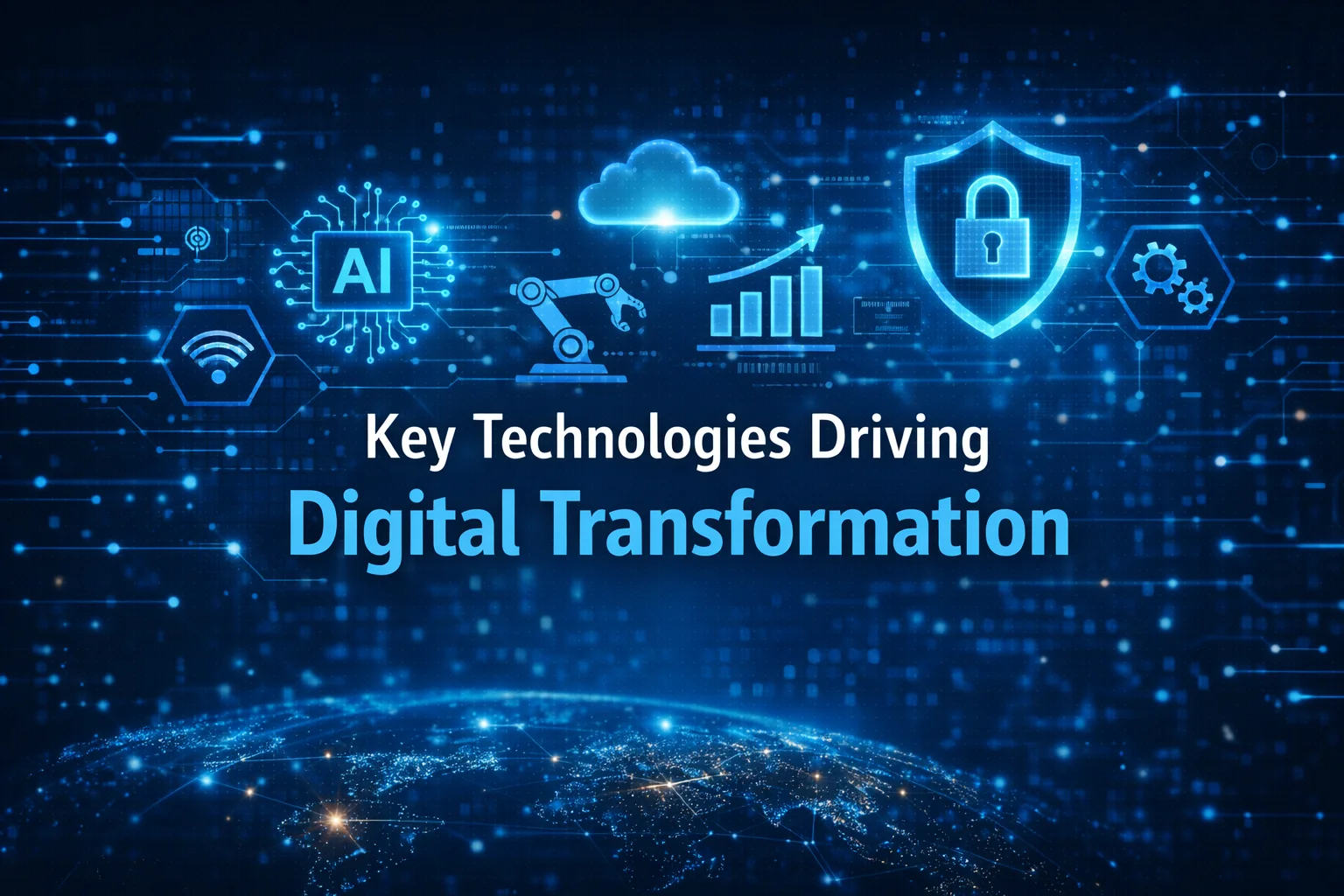

Digital transformation is reshaping how modern organizations operate, compete, and grow. At the center of this shift are powerful tools that enable businesses to become more agile, data-driven, and customer-focused. Understanding digital transformation technologies helps organizations identify where to invest and how to stay relevant in a rapidly evolving digital environment.
Rather than relying on a single solution, successful digital transformation is driven by a combination of interconnected technologies working together.
Cloud Computing Solutions
Cloud computing solutions form the backbone of digital transformation. They allow businesses to store data, run applications, and access systems remotely without relying on costly physical infrastructure.
Key benefits include:
- Scalability as business needs grow
- Reduced IT maintenance costs
- Improved collaboration across teams
- Faster deployment of digital services
Cloud technology enables flexibility and supports remote and hybrid working models.
Artificial Intelligence in Business
Artificial intelligence in business plays a crucial role in automating tasks, improving decision-making, and enhancing customer experiences. AI systems can analyze large amounts of data quickly, identifying patterns that humans might miss.
Common uses include:
- Customer support chat systems
- Predictive analytics and forecasting
- Personalized user experiences
- Process optimization
AI helps businesses operate smarter and respond faster to changing conditions.
Automation Technologies
Automation technologies streamline repetitive tasks and reduce manual workloads. From workflow automation to robotic process automation, these tools improve efficiency and accuracy across departments.
Automation allows businesses to:
- Reduce operational errors
- Increase productivity
- Improve response times
- Scale operations without increasing costs
It frees employees to focus on strategic and creative work rather than routine tasks.
Data Analytics Tools
Data is one of the most valuable assets for modern organizations. Data analytics tools enable businesses to collect, analyze, and interpret information to support informed decision-making.
With effective analytics, organizations can:
- Track performance metrics
- Understand customer behavior
- Identify growth opportunities
- Reduce operational risks
Data-driven insights are essential for sustainable digital transformation.
Digital Workplace Platforms
The modern workplace relies heavily on digital workplace platforms to support collaboration, communication, and productivity. These platforms integrate tools such as messaging, file sharing, and project management into a single environment.
They help teams work efficiently regardless of location while maintaining transparency and accountability.
Cybersecurity Technologies
As digital systems expand, protecting them becomes critical. Cybersecurity technologies safeguard business data, systems, and user information from digital threats.
Strong cybersecurity ensures:
- Secure access to systems
- Protection against data breaches
- Compliance with privacy standards
- Trust from customers and partners
Security should always be integrated into digital transformation efforts, not added later.
How These Technologies Work Together
Digital transformation is most effective when technologies are aligned with business goals. Cloud platforms support AI and analytics, automation improves workflows, and cybersecurity protects everything behind the scenes. When combined strategically, these tools create a strong digital foundation for long-term growth.
FAQs:
1. What are the key technologies driving digital transformation?
The key technologies include cloud computing, artificial intelligence, automation tools, data analytics, digital workplace platforms, and cybersecurity solutions that help businesses operate more efficiently and intelligently.
2. Why is cloud computing important for digital transformation?
Cloud computing enables scalability, remote access, cost efficiency, and faster deployment of digital services, making it a foundation for modern digital transformation efforts.
3. How does artificial intelligence support digital transformation?
Artificial intelligence helps businesses automate tasks, analyze large amounts of data, improve customer experiences, and make faster, data-driven decisions.
4. What role does automation play in digital transformation?
Automation reduces manual work, improves accuracy, speeds up processes, and allows teams to focus on strategic and creative tasks rather than repetitive activities.
5. Why are data analytics tools essential for digital transformation?
Data analytics tools help organizations understand customer behavior, track performance, identify trends, and make informed business decisions based on real-time insights.
6. How does cybersecurity fit into digital transformation?
Cybersecurity protects digital systems, data, and users from threats, ensuring trust, compliance, and safe adoption of new technologies during digital transformation.
Conclusion
Digital transformation is driven by a powerful set of technologies that enable businesses to adapt, innovate, and compete in a digital-first world. By embracing digital transformation technologies —including cloud computing solutions, artificial intelligence in business, automation technologies, and data analytics tools—organizations can build resilient, future-ready operations.
✨ To explore more expert insights on digital transformation, emerging technologies, and modern business strategies, visit Almuhtadi Ventures and discover practical guides designed to help organizations thrive in the digital age.