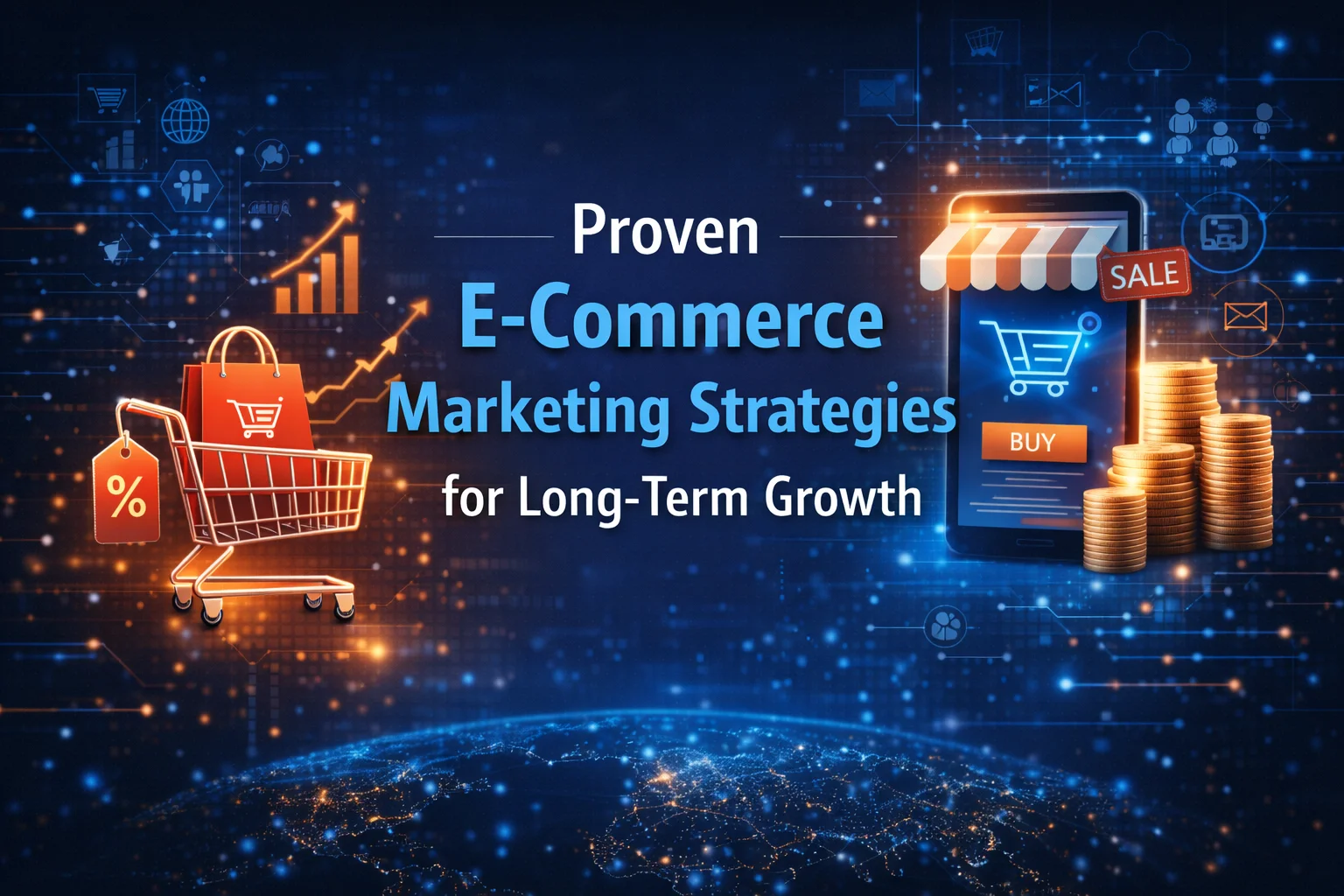

Achieving short-term sales is relatively easy with promotions and ads, but building a profitable online business requires consistency, trust, and strategy. This is where e-commerce marketing strategies for long-term growth become essential. Long-term growth focuses on creating value, strengthening customer relationships, and building systems that scale over time.
Successful e-commerce brands don’t rely on one tactic—they use a balanced marketing approach designed for sustainability.
Focus on Sustainable Growth, Not Quick Wins
Long-term success begins with sustainable e-commerce growth. Instead of chasing quick spikes in traffic or sales, businesses should prioritise steady progress built on strong foundations.
This includes:
- Understanding customer needs
- Building trust and credibility
- Investing in scalable marketing channels
Sustainable growth ensures stability even when market conditions change.
Build Strong Customer Retention Strategies
Acquiring new customers is important, but keeping existing ones is critical. Effective customer retention strategies help turn one-time buyers into loyal customers.
Retention-focused tactics include:
- Personalised follow-up communication
Loyalty programs and rewards - Consistent customer support
- Post-purchase engagement
Loyal customers not only buy again but also recommend brands to others.
Use Content Marketing to Build Authority
Content marketing for e-commerce plays a major role in long-term visibility and trust. High-quality blogs, guides, and product education content attract organic traffic and position a brand as an industry authority.
Content helps:
- Educate potential buyers
- Answer common customer questions
- Support SEO efforts
- Build brand credibility
Over time, content becomes a reliable source of traffic and conversions.
Invest in Search Engine Optimisation for Online Stores
Search engine optimization for online stores is one of the most powerful long-term strategies. SEO brings consistent, high-intent traffic without relying solely on paid advertising.
Optimising product pages, categories, and blog content improves visibility and drives qualified visitors who are already searching for solutions.
SEO is a long-term investment that compounds over time.
Leverage Email Marketing Automation
Email marketing automation allows businesses to stay connected with customers at every stage of the buying journey. Automated emails can be used for welcome messages, abandoned carts, product recommendations, and re-engagement campaigns.
Automation ensures:
- Timely communication
- Personalised experiences
- Improved conversion rates
- Efficient use of resources
Email remains one of the highest-return marketing channels in e-commerce.
Make Data-Driven Marketing Decisions
Long-term growth depends on data-driven marketing decisions. Tracking performance metrics helps businesses understand what’s working and where improvements are needed.
Data insights allow brands to:
- Refine campaigns
- Improve user experience
- Reduce wasted spend
- Identify new growth opportunities
Informed decisions lead to more predictable and scalable growth.
Maintain Consistency Across All Channels
Consistency builds recognition and trust. Messaging, branding, and customer experience should align across websites, emails, content, and marketing campaigns.
A consistent approach strengthens brand identity and improves customer confidence.
FAQs:
1. What are the most effective e-commerce marketing strategies for long-term growth?
The most effective strategies include search engine optimization, content marketing, email automation, customer retention programs, and data-driven marketing decisions focused on sustainability rather than short-term sales.
2. Why is long-term growth important in e-commerce?
Long-term growth helps build brand trust, customer loyalty, and predictable revenue, making an online business more stable and resilient to market changes.
3. How does customer retention support long-term e-commerce success?
Customer retention reduces acquisition costs and increases lifetime value by encouraging repeat purchases and long-term brand loyalty.
4. Is SEO important for long-term e-commerce marketing?
Yes. SEO provides consistent organic traffic over time and helps online stores attract high-intent users without relying solely on paid advertising.
5. How does email marketing contribute to sustainable growth?
Email marketing keeps customers engaged through personalised offers, updates, and automation, leading to higher conversions and repeat sales.
6. Can small e-commerce businesses use long-term marketing strategies?
Absolutely. Long-term strategies are scalable and allow small businesses to grow steadily by focusing on value, customer relationships, and efficient marketing channels.
Conclusion
Long-term success in e-commerce doesn’t happen by chance—it’s built through strategy, patience, and smart execution. By focusing on e-commerce marketing strategies for long-term growth, businesses can achieve stability, customer loyalty, and sustainable revenue. From customer retention strategies and content marketing for e-commerce to email marketing automation and SEO, each element plays a vital role in building a future-ready online business.
✨ Want to explore more expert insights on e-commerce growth, digital marketing strategies, and sustainable online success? Visit Almuhtadi Ventures for in-depth articles, practical guides, and actionable knowledge designed to help your business grow with confidence.