
Internet Privacy Awareness in the UK: How to Protect Personal Information Online
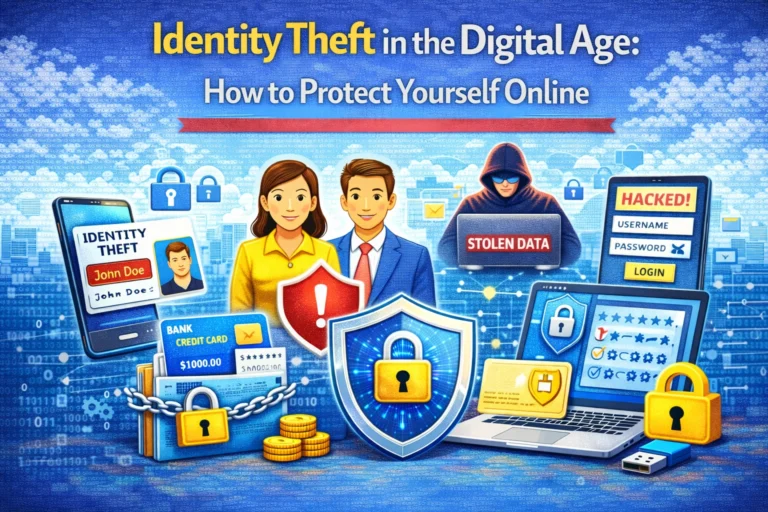
As digital activity continues to grow, internet privacy awareness in the UK has become increasingly important for individuals and businesses alike. Every online interaction — from social media use to online shopping — involves sharing personal data.
Without proper awareness, sensitive information can be exposed to cybercriminals, data misuse, or identity theft.
This guide explains how individuals in the UK can strengthen online privacy and protect personal information effectively.
What Is Internet Privacy?
Internet privacy refers to the protection of personal information shared online, including:
Email addresses
Financial information
Browsing activity
Social media data
Location data
Login credentials
Privacy awareness means understanding how this information is collected, used, and potentially exposed.
Why Internet Privacy Awareness Matters in the UK
Strong internet privacy awareness UK residents develop helps to:
Prevent identity theft
Reduce fraud risk
Protect financial accounts
Avoid phishing scams
Maintain digital reputation
Cybercriminals increasingly target individuals, not just businesses.
Common Online Privacy Risks
1️⃣ Phishing Scams
Fraudulent emails or messages designed to steal login credentials.
2️⃣ Weak Passwords
Easily guessed passwords increase account takeover risk.
3️⃣ Public Wi-Fi Exposure
Unsecured networks may allow data interception.
4️⃣ Oversharing on Social Media
Excessive personal details can be exploited.
5️⃣ Data Tracking by Websites
Websites may collect behavioural data for advertising or analytics.
Understanding these risks improves internet privacy awareness UK users must develop.
Practical Steps to Protect Personal Information
1️⃣ Use Strong, Unique Passwords
Avoid password reuse across accounts.
2️⃣ Enable Multi-Factor Authentication (MFA)
Adds extra protection beyond passwords.
3️⃣ Review Privacy Settings
Adjust social media and browser privacy controls.
4️⃣ Avoid Suspicious Links
Do not click unknown email or SMS links.
5️⃣ Keep Devices Updated
Install security updates regularly.
6️⃣ Use Secure Connections
Prefer HTTPS websites and secure networks.
Managing Cookies and Tracking
Many websites use cookies to:
Track browsing activity
Personalise advertisements
Improve user experience
Users can:
Adjust browser cookie settings
Use privacy-focused browser extensions
Clear browsing data regularly
Awareness of tracking technologies is part of responsible digital behaviour.
Protecting Children and Family Members Online
Internet privacy awareness in the UK should extend to families.
Parents should:
Monitor device usage
Educate children about phishing risks
Use parental control settings
Encourage responsible online behaviour
Digital education is a key protective measure.
The Role of UK Data Protection Laws
UK GDPR protects personal data by requiring organisations to:
Process data lawfully
Maintain transparency
Implement security safeguards
While businesses carry responsibility, individuals also benefit from understanding their rights.
Frequently Asked Questions (FAQ)
1. What is internet privacy awareness?
It is understanding how personal data is collected and how to protect it online.
2. Can individuals prevent all online risks?
No system guarantees total protection, but awareness significantly reduces exposure.
3. Is public Wi-Fi unsafe?
Unsecured public networks can increase risk.
4. What is the safest way to manage passwords?
Use a password manager and enable multi-factor authentication.
5. Does UK law protect personal data?
Yes, UK GDPR provides strong data protection rights.