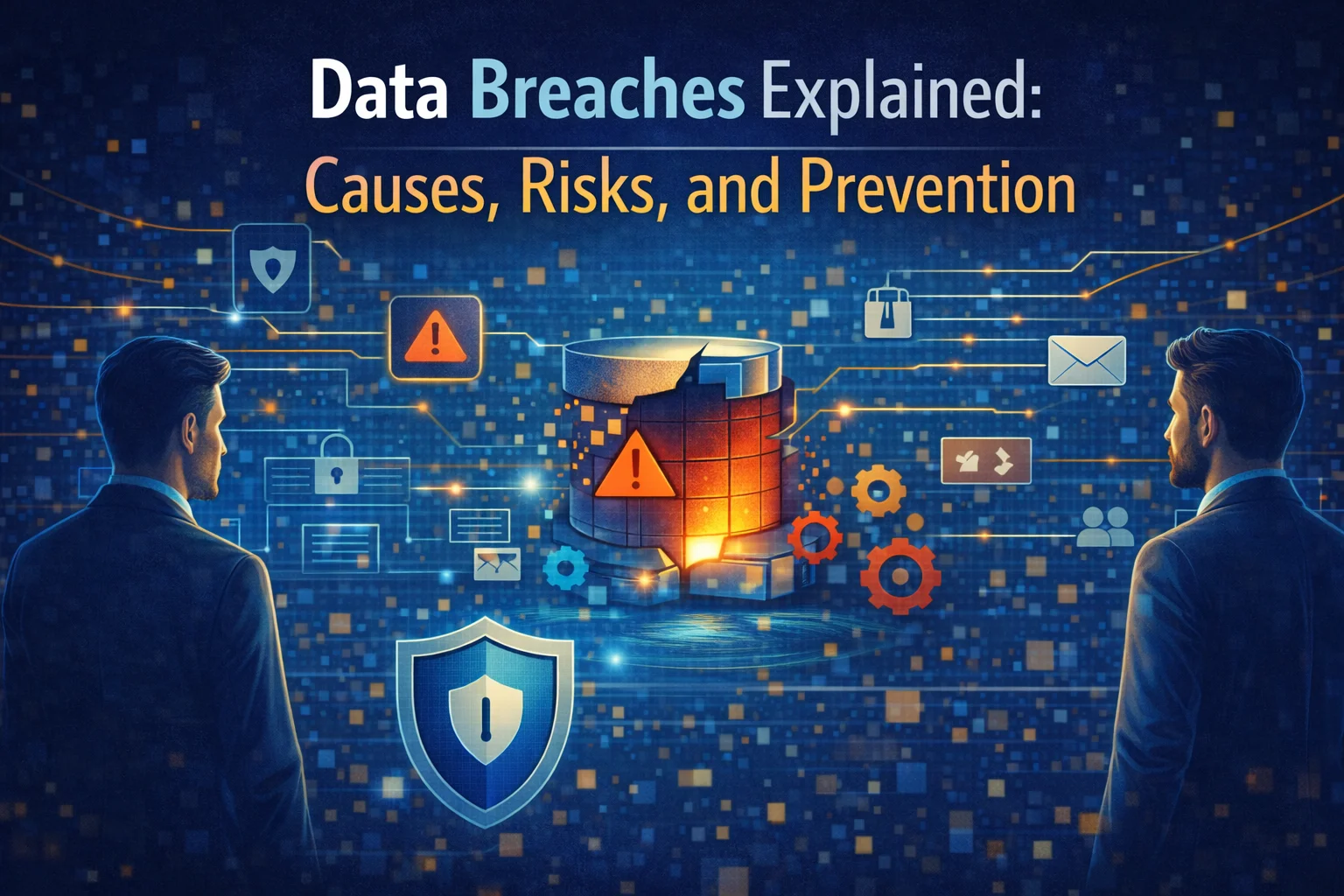

As organisations increasingly rely on digital systems to store and manage information, data breaches have become one of the most serious cybersecurity threats. A data breach occurs when sensitive information is accessed, exposed, or stolen without authorisation. These incidents can affect individuals, businesses, and entire industries, leading to financial losses, reputational damage, and legal consequences.
Understanding data breaches, their causes, associated risks, and how to prevent them is essential in today’s digital environment.
What Is a Data Breach?
A data breach happens when confidential data such as personal details, financial information, or business records are accessed by unauthorised individuals. This data may include names, email addresses, passwords, payment details, or internal business information.
Data breaches can occur due to:
- Cyber attacks
- Human error
- Weak security controls
- System vulnerabilities
Both small businesses and large organisations can be affected, regardless of industry.
Common Causes of Data Breaches
Data breaches rarely happen for a single reason. In most cases, multiple weaknesses are involved.
Weak Security Practices
Poor password management, lack of encryption, and outdated security measures make systems easier to breach.
Phishing and Social Engineering
Attackers trick employees or users into sharing login credentials or clicking malicious links, giving hackers direct access to systems.
Software Vulnerabilities
Outdated software often contains known security flaws that attackers can exploit if patches are not applied promptly.
Insider Threats
Not all breaches come from outside attackers. Employees or contractors may accidentally or intentionally expose sensitive data.
Misconfigured Systems
Improperly configured databases, cloud storage, or access controls can leave sensitive information publicly accessible.
Risks Associated with Data Breaches
The impact of a data breach extends far beyond the initial security incident. The consequences can be long-lasting and costly.
Financial Loss
Businesses may face direct financial losses due to theft, system downtime, recovery costs, and regulatory fines.
Reputational Damage
Loss of customer trust is one of the most damaging effects. Customers may avoid organisations they believe cannot protect their data.
Legal and Regulatory Consequences
Data protection regulations require organisations to safeguard personal information. Breaches may lead to investigations, penalties, or legal action.
Identity Theft and Fraud
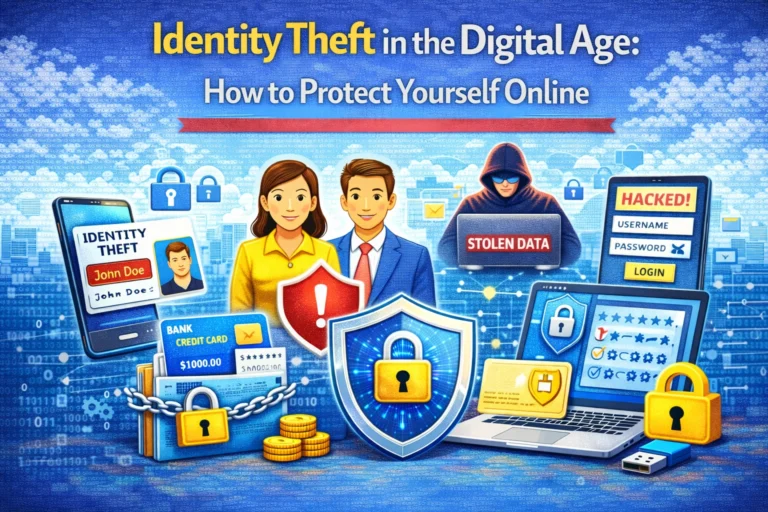
For individuals, exposed data can be used for identity theft, financial fraud, or unauthorised transactions.
How Data Breaches Affect Individuals
Individuals are often the silent victims of data breaches. Even if a breach occurs at a company level, users bear the long-term consequences.
Impacts on individuals include:
- Compromised personal accounts
- Financial risks
- Emotional stress
- Time spent resolving issues
Protecting personal data requires awareness and proactive security habits.
Preventing Data Breaches Through Strong Security Measures
Prevention starts with strengthening security practices across systems and users.
Key preventive measures include:
- Using strong and unique passwords
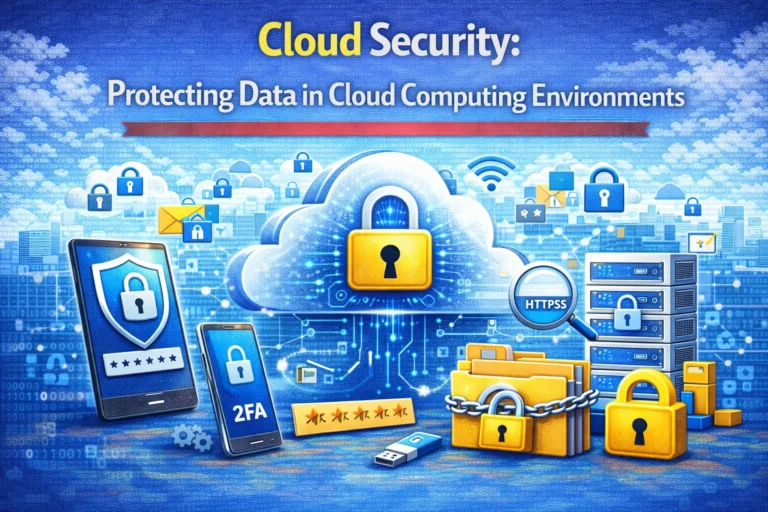
- Enabling two-factor authentication
- Encrypting sensitive data
- Limiting access based on roles
Layered security reduces the chances of unauthorised access.
The Role of Employee Awareness in Prevention
Human error is one of the leading causes of data breaches. Educating employees about cybersecurity risks is essential.
Awareness training helps employees:
- Recognise phishing attempts
- Handle data responsibly
- Follow security policies
- Respond quickly to incidents
Informed teams act as a strong line of defence.
Keeping Systems and Software Updated
Regular updates address known vulnerabilities that attackers target. Delayed updates leave systems exposed.
Organisations should:
- Apply security patches promptly
- Update operating systems and applications
- Monitor systems for unusual activity
Maintaining updated systems reduces attack opportunities.
Developing an Incident Response Plan
Despite strong prevention measures, no system is completely immune. Having an incident response plan ensures quick action if a breach occurs.
An effective plan includes:
- Identifying and containing the breach
- Assessing affected data
- Notifying relevant parties
- Implementing corrective measures
Preparedness minimises damage and recovery time.
FAQs: Data Breaches Explained
1. What is the most common cause of data breaches?
Human error, such as falling for phishing attacks or misconfiguring systems, is one of the most common causes of data breaches.
2. Can small businesses be affected by data breaches?
Yes. Small businesses are often targeted because they may have fewer security measures in place compared to larger organisations.
3. How can individuals protect themselves from data breaches?
Individuals can use strong passwords, enable two-factor authentication, stay alert to phishing attempts, and monitor accounts regularly.
4. Are data breaches always caused by hackers?
No. Data breaches can also result from internal mistakes, system misconfigurations, or accidental data exposure.
5. What should a business do after a data breach?
Businesses should contain the breach, assess the impact, notify affected parties, and strengthen security to prevent future incidents.
Conclusion
Data breaches are a growing concern in an increasingly digital world. They can result from weak security practices, human error, or system vulnerabilities, and their impact can be severe for both businesses and individuals. By understanding the causes, recognising the risks, and implementing strong preventive measures, organisations can significantly reduce the likelihood of a breach. Proactive cybersecurity remains the most effective defence against data exposure.
✨ For more expert insights on cybersecurity, data privacy, and digital risk management, visit Almuhtadi Ventures and explore our in-depth guides and practical resources.