
Common Cybersecurity Threats in the Digital Age and How to Avoid Them
As technology continues to evolve, cyber threats are becoming more frequent and sophisticated. Businesses and individuals rely on digital platforms for communication, financial transactions, and data storage, making cybersecurity more important than ever.
Understanding common cybersecurity threats helps organisations and individuals recognise potential risks and implement effective protection strategies.
Cybercriminals constantly develop new techniques to exploit system vulnerabilities, steal sensitive information, and disrupt operations.
Why Cybersecurity Threats Are Increasing
Several factors contribute to the growing number of cyber attacks, including:
- Increased digital dependence
- Expansion of cloud services
- Remote and hybrid work environments
- Large volumes of valuable online data
As more data becomes accessible online, cybercriminals see greater opportunities for exploitation.
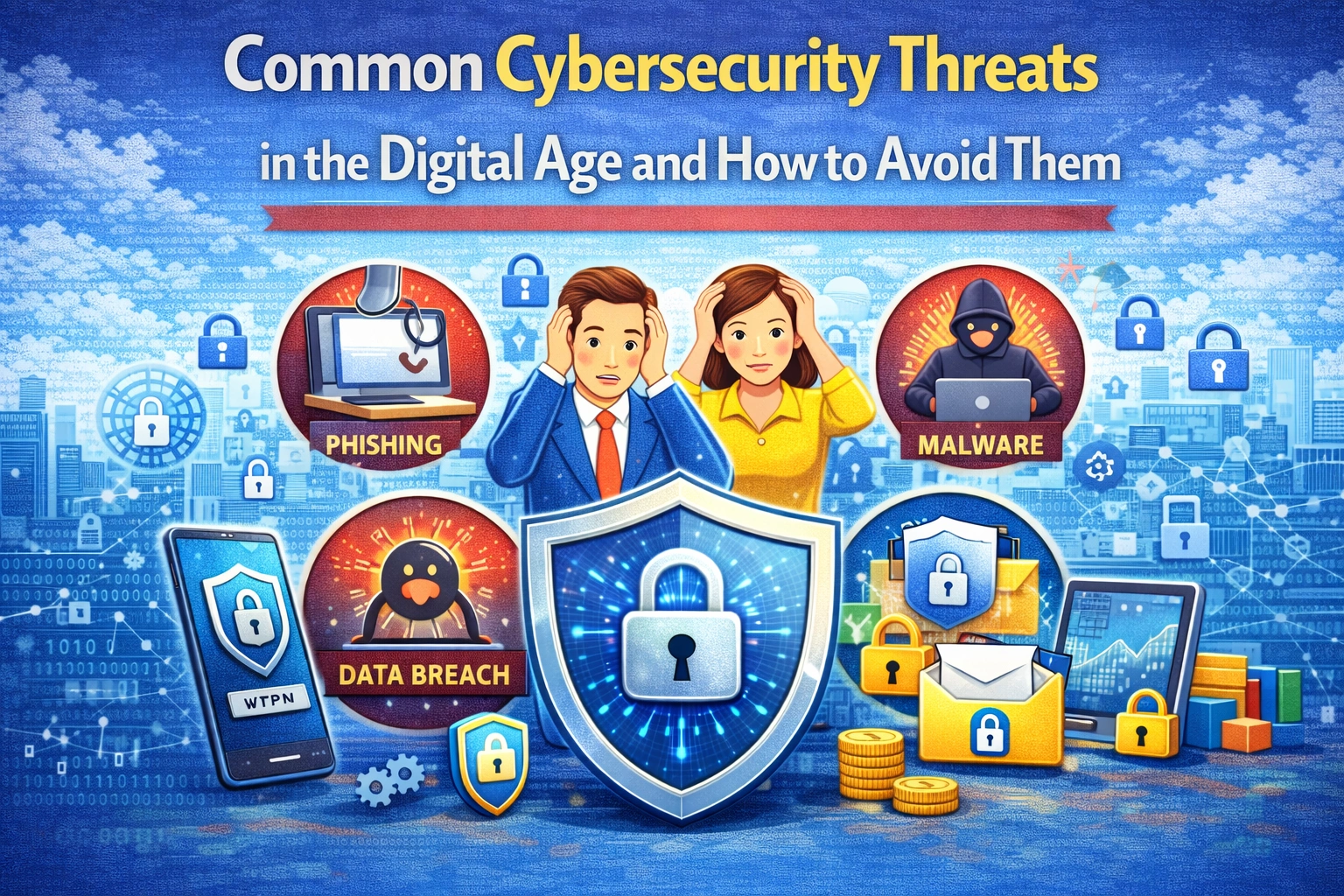
Phishing Attacks
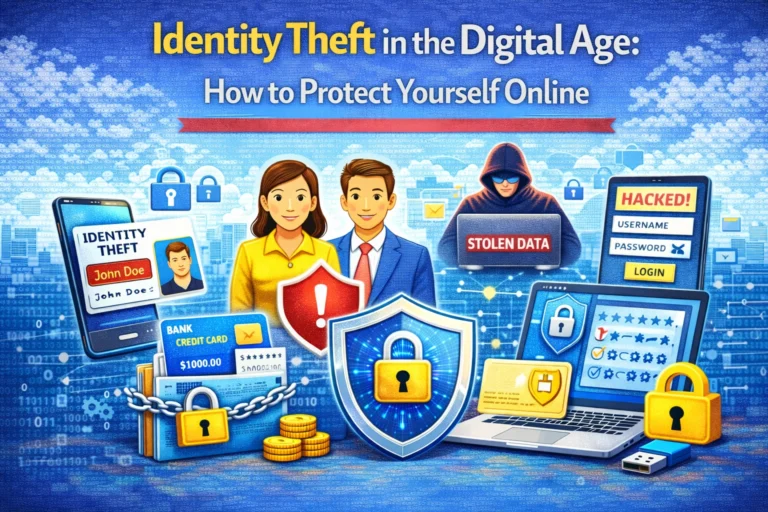
Phishing remains one of the most widespread cybersecurity threats.
Attackers send fraudulent emails or messages that appear legitimate in order to trick users into revealing:
- Passwords
- Banking details
- Personal information
How to Prevent Phishing
- Verify the sender before responding to emails
- Avoid clicking suspicious links
- Use email filtering tools
- Educate employees about phishing tactics
Malware Attacks
Malware refers to malicious software designed to damage or infiltrate systems.
Common types include:
- Viruses
- Trojans
- Spyware
- Ransomware
Malware often spreads through infected downloads or malicious email attachments.
Prevention Tips
- Install reliable antivirus software
- Avoid downloading files from unknown sources
- Keep operating systems updated
Ransomware
Ransomware is a type of malware that locks or encrypts files until a payment is made.
Many organisations have suffered major disruptions due to ransomware attacks.
Protection Measures
- Maintain regular data backups
- Use strong security software
- Implement network monitoring tools
Backups help organisations recover data without paying ransom demands.
Password Attacks
Weak passwords make it easy for cybercriminals to gain access to accounts.
Attackers may use methods such as:
- Brute force attacks
- Credential stuffing
- Password guessing
Security Best Practices
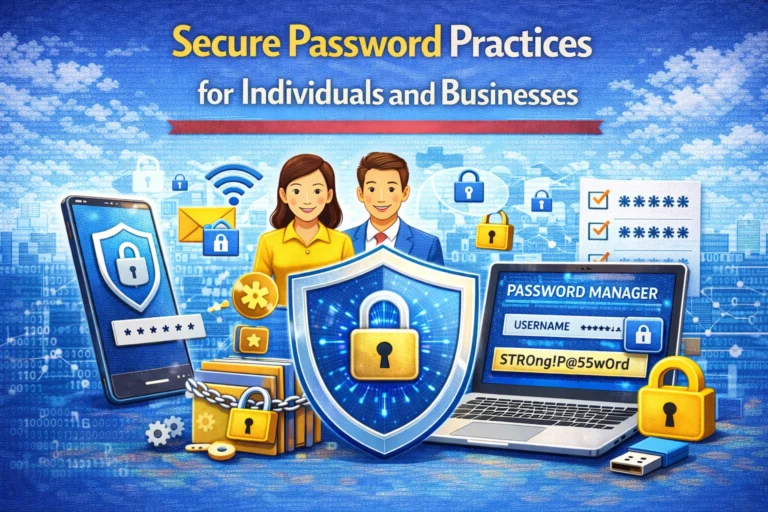
- Use long and complex passwords
- Enable multi-factor authentication
- Avoid reusing passwords across accounts
Strong authentication reduces the risk of account compromise.
Insider Threats
Not all cybersecurity threats come from external attackers.
Employees or internal users may unintentionally expose sensitive information through:
- Poor security practices
- Accidental data sharing
- Misconfigured systems
Organisations must implement clear data handling policies and employee training programs.
Social Engineering Attacks
Social engineering manipulates individuals into revealing confidential information.
Attackers may impersonate trusted individuals such as:
- IT staff
- Company executives
- Service providers
These attacks rely on psychological manipulation rather than technical hacking.
Prevention
- Verify unusual requests
- Train employees in cybersecurity awareness
- Implement strict identity verification processes
Protecting Against Cybersecurity Threats
Organisations can reduce risks by implementing comprehensive security strategies such as:
- Regular security audits
- Strong access controls
- Data encryption
- Security monitoring systems
- Employee cybersecurity training
Combining technology with awareness creates stronger protection.
The Role of Cybersecurity Awareness
One of the most effective defences against cyber threats is awareness.
Employees and individuals who understand cybersecurity risks are more likely to recognise suspicious activities and prevent attacks.
Continuous education helps build stronger security habits.
FAQ
What is the most common cybersecurity threat?
Phishing attacks are among the most common cyber threats worldwide.
How can businesses protect themselves from cyber attacks?
By implementing security software, training employees, and regularly updating systems.
Are small businesses targeted by cybercriminals?
Yes. Small businesses are often targeted because they may have weaker security measures.
What is ransomware?
Ransomware is malware that locks data until a payment is made.
Why is cybersecurity awareness important?
Awareness helps individuals recognise threats and prevent security incidents.