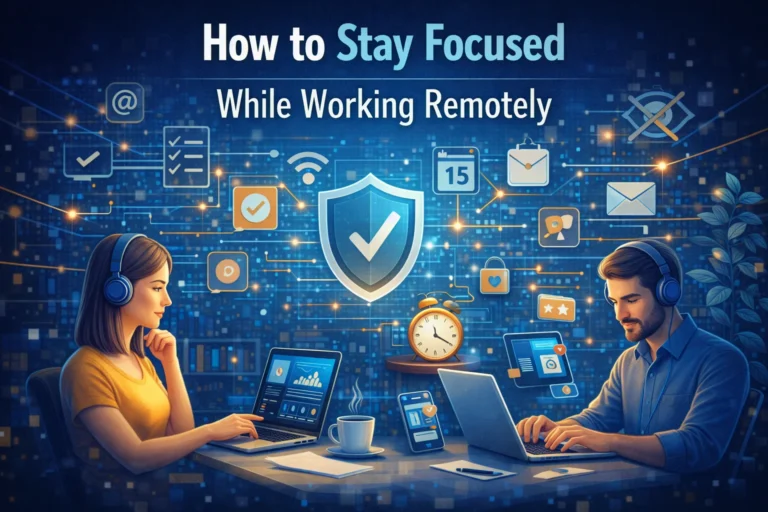
Remote Work Productivity in the UK – Smarter Performance for Modern Professionals
Flexible work has reshaped how organisations and individuals operate. Remote work productivity in the UK is now a priority for companies aiming to maintain performance, collaboration, and employee wellbeing outside traditional office environments. Whether managing distributed teams or working independently from home, structured systems and smart digital solutions help maintain focus, accountability, and consistent output.
Why Remote Work Productivity in the UK Is Critical
Hybrid and remote models are now standard across many industries. Without clear processes and accountability systems, productivity can decline due to distractions, communication gaps, and inefficient workflows.
Strengthening remote work productivity in the UK helps organisations:
- Improve daily task management
- Increase measurable output
- Strengthen virtual collaboration
- Reduce employee burnout
- Maintain operational consistency
Clear structure supports predictable performance across remote teams.
Structured Time Management Systems
Strong planning improves daily efficiency. Effective remote work time management enables individuals and teams to prioritise high-impact tasks while maintaining deadlines.
Key approaches include:
- Time-blocking schedules
- Priority-based planning frameworks
- Weekly performance tracking
- Clear goal-setting systems
- Automated task management platforms
Structured scheduling reduces wasted time and increases daily productivity.
Digital Tools for Higher Output
Modern digital productivity tools streamline collaboration and remove workflow bottlenecks.
Recommended systems include:
- Project management platforms
- Cloud collaboration software
- Secure video conferencing tools
- Shared document workspaces
- Performance tracking dashboards
The right technology enhances transparency and supports stronger working from home efficiency.
Focus & Distraction Management
Home environments can introduce interruptions that affect concentration. Sustainable routines improve consistency and long-term output.
Effective focus strategies:
- Dedicated workspaces
- Scheduled deep-focus sessions
- Controlled notification settings
- Structured daily routines
- Performance monitoring metrics
Implementing these habits supports measurable improvements in remote work productivity in the UK.
Team Collaboration & Communication
Remote collaboration requires clear expectations and defined communication systems.
Best practices include:
- Defined response time guidelines
- Structured virtual meetings
- Clear ownership of tasks
- Centralised communication channels
- Documented project workflows
These processes reduce misunderstandings and strengthen accountability.
Sustainable Work-Life Balance
Maintaining energy and preventing burnout are essential for long-term performance. A healthy remote work work-life balance protects employee wellbeing while maintaining consistent productivity.
Important principles:
- Defined work hours
- Scheduled breaks
- Realistic workload distribution
- Clear boundaries between personal and professional time
Balanced systems help sustain strong performance without fatigue.
Measurable Results & Performance Tracking
Clear performance metrics provide visibility and accountability.
Monitoring tools include:
- Output dashboards
- Task completion tracking
- Productivity benchmarks
- Efficiency reporting systems
- Continuous improvement reviews
Organisations that measure performance consistently achieve stronger remote work productivity in the UK over time.
Who Benefits Most?
These productivity solutions support:
- Remote-first companies
- Hybrid organisations
- Freelancers and consultants
- Digital marketing teams
- eCommerce businesses
- Growing startups
Structured productivity systems help maintain operational control across distributed environments.
Conclusion
Modern work environments demand structure, accountability, and efficient systems. Investing in remote work productivity in the UK strengthens performance, improves collaboration, and supports sustainable growth for both individuals and organisations.
Frequently Asked Questions
1. How can remote workers improve daily productivity?
Using structured schedules, prioritisation systems, and distraction management significantly increases output.
2. What tools are most effective for remote teams?
Project management platforms, collaboration software, and performance dashboards help maintain transparency and efficiency.
3. Does remote work reduce productivity?
When supported by clear systems and accountability measures, productivity often improves compared to traditional office models.
4. How can companies monitor remote performance?
Through defined KPIs, task tracking software, and regular progress reviews.
5. How can remote workers prevent burnout?
By maintaining structured routines, clear work boundaries, and realistic workload expectations.
Improve Remote Performance Today
Make the shift toward smarter, more sustainable living—explore innovative solutions today with Al Muhtadi Ventures and start creating lasting impact.