
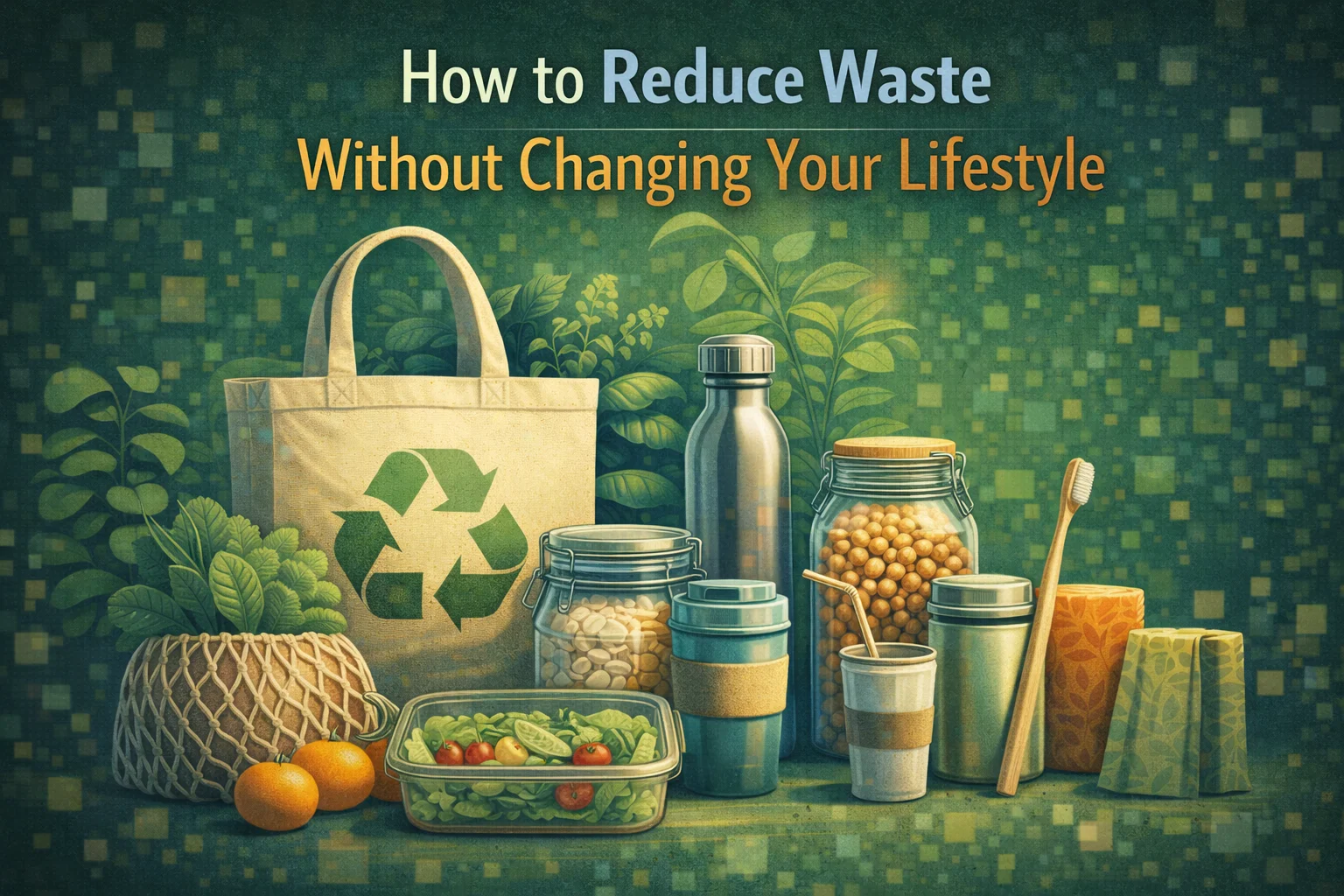

Reducing waste is often associated with drastic lifestyle changes, but that doesn’t have to be the case. Many people want to live more sustainably yet feel overwhelmed by the idea of changing daily routines. The truth is, reducing waste can start with small, practical adjustments that fit naturally into everyday life. By becoming more aware of consumption habits, it’s possible to reduce waste without sacrificing comfort or convenience.
Sustainable living is about progress, not perfection.
Understanding Everyday Waste
Waste is generated through everyday activities such as shopping, cooking, cleaning, and packaging disposal. Much of this waste is created out of habit rather than necessity.
Common sources of household waste include:
- Excess packaging
- Single-use items
- Food waste
- Unnecessary purchases
Recognising where waste comes from is the first step toward reducing it naturally.
Make Better Use of What You Already Have
One of the simplest ways to reduce waste is by using existing items more efficiently. Many products are discarded before they’ve reached the end of their useful life.
Simple habits include:
- Repairing instead of replacing
- Using products until they are fully finished
- Repurposing items for other uses
Extending product life reduces waste and saves money without changing routines.
Reduce Waste Through Smarter Shopping
Shopping habits play a major role in waste generation. Making small changes in purchasing decisions can significantly reduce waste.
Smarter shopping includes:
- Buying only what is needed
- Choosing products with minimal packaging
- Avoiding impulse purchases
- Planning shopping trips in advance
These habits naturally reduce waste without requiring lifestyle changes.
Minimise Food Waste at Home
Food waste is one of the most common forms of household waste. Simple awareness can prevent unnecessary disposal.
Ways to reduce food waste include:
- Planning meals ahead
- Storing food properly
- Using leftovers creatively
- Checking expiry dates regularly
Reducing food waste benefits both the environment and household budgets.
Replace Disposable Habits Gradually
Disposable items often create unnecessary waste. Replacing them does not require a full lifestyle overhaul—gradual changes are enough.
Examples include:
- Using reusable shopping bags
- Choosing refillable products
- Opting for long-lasting alternatives
Small swaps made over time lead to meaningful waste reduction.
Be More Mindful of Packaging
Packaging waste makes up a large portion of household rubbish. Being aware of packaging choices helps reduce unnecessary waste.
Simple actions include:
- Choosing products with less packaging
- Avoiding excessive wrapping
- Reusing packaging when possible
Mindful packaging choices fit easily into daily life.
Improve Recycling Habits
Recycling correctly reduces landfill waste and supports resource recovery. However, improper recycling can be ineffective.
Better recycling habits involve:
- Understanding local recycling guidelines
- Cleaning recyclable items
- Sorting materials correctly
Correct recycling improves environmental impact without lifestyle disruption.
Focus on Small, Consistent Actions
Reducing waste does not require extreme measures. Small, consistent actions are more effective and sustainable over time.
Consistency leads to:
- Lasting habit changes
- Reduced environmental impact
- Less pressure to be perfect
Small steps add up when practised regularly.
FAQs:
1. Can I reduce waste without becoming zero-waste?
Yes. Reducing waste is about making better choices, not eliminating all waste completely.
2. What is the easiest way to reduce household waste?
Reducing food waste and avoiding unnecessary purchases are two of the easiest and most effective methods.
3. Does reducing waste save money?
Yes. Using products longer, buying less, and wasting less food often result in cost savings.
4. Is recycling enough to reduce waste?
Recycling helps, but reducing and reusing items are even more effective waste-reduction strategies.
5. Do small actions really make a difference?
Yes. Small actions repeated daily can significantly reduce waste over time.
Conclusion
Reducing waste does not require major lifestyle changes or strict rules. By becoming more mindful of daily habits, shopping choices, and product use, individuals can naturally reduce waste without disruption. Sustainable living starts with simple awareness and small actions that fit comfortably into everyday routines.
✨ For more expert insights on sustainable living, eco-conscious habits, and practical environmental solutions, visit Almuhtadi Ventures and explore our in-depth guides and practical resources.
