
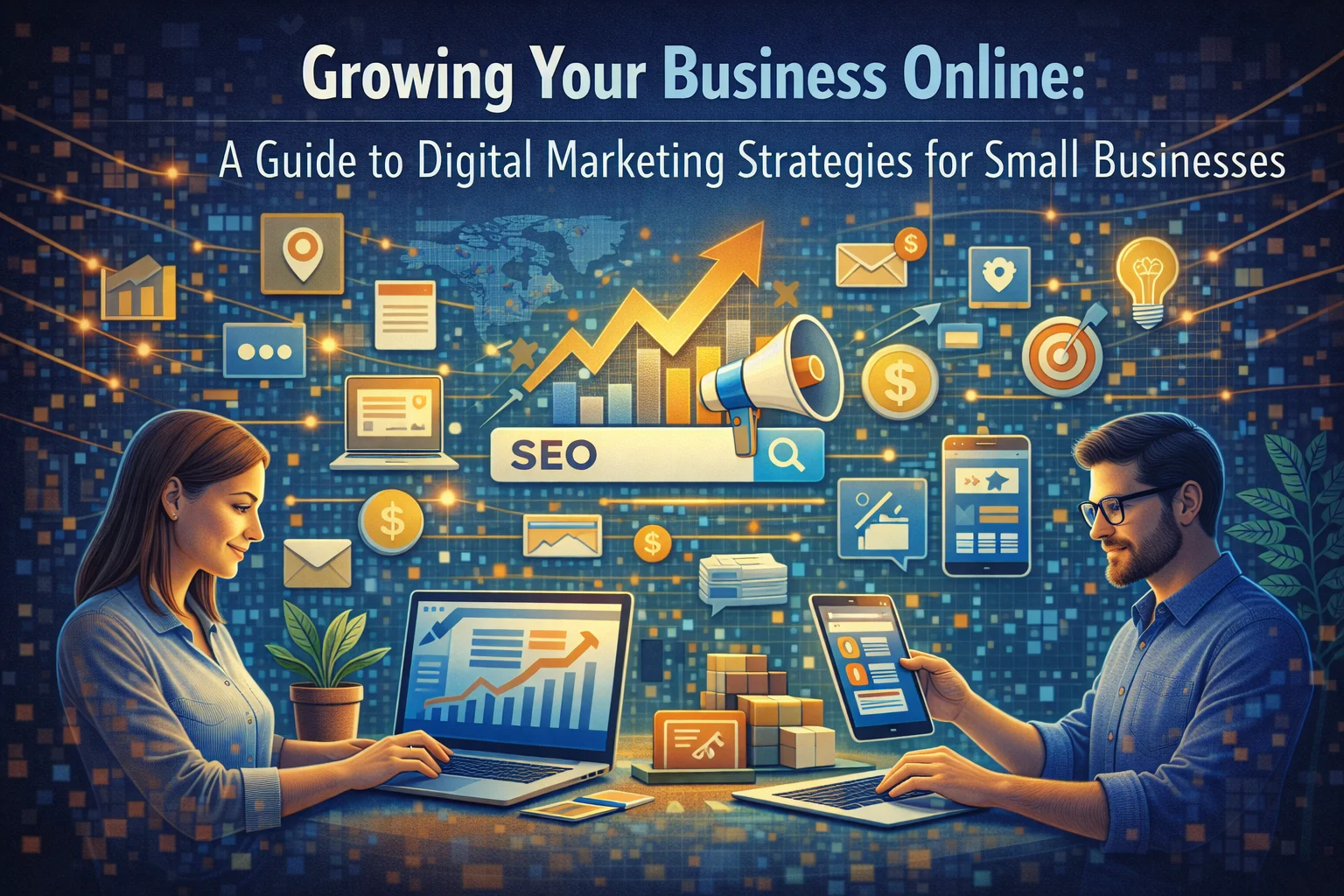

Growing Your Business Online: A Guide to Digital Marketing Strategies for Small Businesses
In today’s digital age, a strong online presence is essential for small businesses to reach customers, build brand awareness, and drive growth. But with so many digital marketing channels and strategies available, it can be overwhelming for small business owners to know where to start. This guide provides a practical roadmap to help small businesses develop and implement effective digital marketing strategies.
Why Digital Marketing for Small Businesses?
Digital marketing offers small businesses numerous advantages:
- Reach a Wider Audience: Digital marketing allows small businesses to reach customers beyond their local area.
- Cost-Effectiveness: Compared to traditional marketing methods, digital marketing can be more cost-effective, especially for small businesses with limited budgets.
- Targeted Marketing: Digital marketing enables businesses to target specific demographics and interests, maximizing the impact of their marketing campaigns.
- Measurable Results: Digital marketing provides measurable results, allowing businesses to track their progress and optimize their strategies.
- Increased Engagement: Digital marketing allows businesses to engage with their customers and build relationships.
Key Digital Marketing Strategies for Small Businesses
Here are some key digital marketing strategies small businesses should consider:
Search Engine Optimization (SEO)
SEO is the process of optimizing your website to rank higher in search engine results pages (SERPs). This is crucial for attracting organic (non-paid) traffic to your website.
Social Media Marketing
Social media platforms like Facebook, Instagram, and Twitter provide opportunities to connect with customers, build brand awareness, and drive traffic to your website.
Content Marketing
Creating valuable and engaging content, such as blog posts, articles, videos, and infographics, can attract and retain customers.
Email Marketing
Email marketing allows you to communicate directly with your customers, promoting special offers, sharing updates, and building relationships.
Pay-Per-Click (PPC) Advertising
PPC advertising, such as Google Ads, allows you to target specific keywords and demographics, driving traffic to your website quickly.
Local SEO
Local SEO focuses on optimizing your online presence to attract local customers. This includes claiming your Google My Business listing and optimizing your website for local search terms.
Mobile Marketing
With the increasing use of mobile devices, it’s essential to optimize your website and marketing campaigns for mobile users.
Influencer Marketing
Partnering with influencers in your industry can help you reach a wider audience and build credibility.
Video Marketing
Video content is highly engaging and can be used to promote your products or services, share customer testimonials, or provide educational information.
Analytics and Tracking
Tracking your digital marketing efforts is crucial for measuring your success and optimizing your strategies. Use analytics tools like Google Analytics to monitor your website traffic, engagement, and conversions.
Developing a Digital Marketing Plan
A well-defined plan is essential for digital marketing success:
- Define Your Goals: What do you want to achieve with your digital marketing efforts? Do you want to increase website traffic, generate leads, or boost sales?
- Identify Your Target Audience: Who are your ideal customers? What are their interests and needs?
- Choose the Right Channels: Which digital marketing channels are most relevant to your target audience?
- Create a Content Calendar: Plan your content creation and publishing schedule.
- Set a Budget: How much can you afford to spend on digital marketing?
- Track Your Results: Monitor your progress and make adjustments to your strategies as needed.
Tips for Digital Marketing Success
- Start Small: You don’t have to do everything at once. Focus on a few key strategies and gradually expand your efforts.
- Be Consistent: Consistency is key to success in digital marketing. Regularly create and publish content, engage with your audience, and track your results.
- Stay Up-to-Date: The digital marketing landscape is constantly evolving. Stay informed about the latest trends and best practices.
- Don’t Be Afraid to Experiment: Try different strategies and see what works best for your business.
- Seek Help When Needed: If you’re feeling overwhelmed, consider hiring a digital marketing agency or consultant.
The Power of Digital Marketing
Digital marketing offers small businesses a powerful way to connect with customers, build brand awareness, and grow their business. By developing and implementing a well-defined digital marketing strategy, small businesses can thrive in the competitive online marketplace.
Call to Action
What digital marketing strategy are you most excited to implement for your small business? Share your plans in the comments below! Let’s discuss how digital marketing can help small businesses grow.